The ocean has always been a place of mystery and beauty, but few places on Earth match the magic of Red Sea liveaboard diving. Imagine waking up surrounded by endless blue water, stepping onto the deck of a dive boat, and descending into a world filled with colorful coral reefs, rare fish, and ancient shipwrecks. This is not just a diving trip — it is a complete ocean journey.
In recent years, Red Sea liveaboard diving has become one of the most sought-after experiences for scuba divers across the world. From beginners to experienced divers, many travelers choose this style of diving because it offers deeper exploration, more dive time, and access to remote locations that cannot be reached by daily dive boats.
This article explores how Red Sea liveaboard diving works, why the Red Sea is considered one of the best diving destinations, and what makes this experience unforgettable.
Understanding the Concept of Red Sea Liveaboard Diving
To understand Red Sea liveaboard diving, it helps to imagine a floating hotel designed for divers. Instead of staying in a hotel on land, divers live on a dive boat for several days while traveling across different dive sites.
A liveaboard boat includes cabins, dining areas, relaxation decks, and fully equipped dive platforms. Divers eat, sleep, and dive while the boat travels between reefs and dive locations. This setup creates a simple lifestyle often described as “eat, sleep, dive, repeat.”
One of the biggest advantages is convenience. Divers do not have to carry equipment back and forth every day. Their gear stays ready on the dive deck, making it easier to prepare for the next dive. Most liveaboard trips last around 7–8 days, offering several dives each day and sometimes even night dives.
Why the Red Sea Is Perfect for Liveaboard Diving
The Red Sea is widely known as one of the best diving environments in the world. Several natural factors make it ideal for underwater exploration.
Crystal Clear Water
The Red Sea has extremely clear water with excellent visibility. One reason for this clarity is that the surrounding desert landscape has very few rivers, meaning little sediment flows into the sea.
Because of this, divers often enjoy visibility of 20–40 meters underwater, allowing them to see reefs and marine life in stunning detail.
Warm Water All Year
Water temperatures in the Red Sea usually stay above 22°C, making it comfortable for diving throughout the year.
This stable temperature also supports the growth of vibrant coral reefs.
Extraordinary Marine Life
The Red Sea is home to more than 1,100 species of fish and over 200 coral species, many of which exist nowhere else in the world.
Divers often encounter:
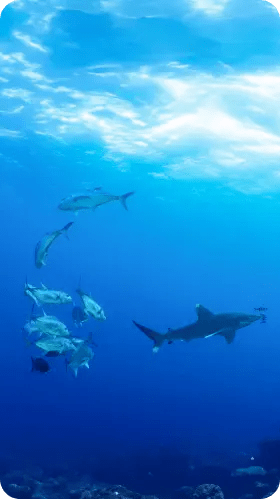
- Reef sharks
- Dolphins
- Barracuda schools
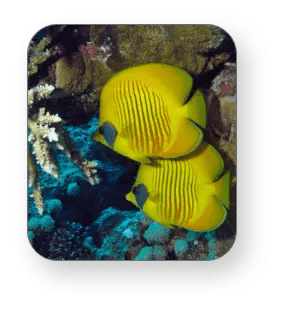
- Butterflyfish
- Giant moray eels
This incredible biodiversity makes Red Sea liveaboard diving a dream destination for underwater photographers and marine life lovers.
Access to Remote Dive Sites
One of the greatest advantages of Red Sea liveaboard diving is the ability to reach dive sites that are far away from the coastline.
Some of the most famous dive areas include:
- Ras Mohammed National Park
- Brother Islands
- Daedalus Reef
- Elphinstone Reef
- St. John’s Reef
These locations are often 60–80 kilometers from shore, which makes them difficult to reach with day trips.
Liveaboard boats travel overnight to these remote areas, giving divers access to untouched coral reefs and less crowded underwater environments.
The Unique Daily Life on a Liveaboard
Life during Red Sea liveaboard diving follows a simple but exciting routine.
A typical day might look like this:
Early Morning Dive
The first dive often happens just after sunrise. Many marine predators are active at this time, offering incredible wildlife encounters.
Breakfast on the Boat
After the dive, divers return to the boat for a hearty breakfast.
Mid-Morning Dive
The second dive explores another nearby reef or wreck.
Lunch and Relaxation
Divers relax on the sundeck while the boat moves to the next site.
Afternoon Dive
The third dive often explores coral gardens or steep reef walls.
Night Dive
Many liveaboards offer night dives where divers can see octopuses, bioluminescent plankton, and nocturnal marine creatures.
This schedule allows divers to complete 3–4 dives per day, which is far more than typical shore-based diving trips.
Famous Wrecks in Red Sea Liveaboard Diving
Another reason Red Sea liveaboard diving is so popular is the incredible collection of shipwrecks scattered across the region.
The most famous wreck is the SS Thistlegorm, a British cargo ship sunk during World War II. Today it lies underwater like a frozen museum filled with motorcycles, trucks, and military equipment.
Other famous wreck dive sites include:
- Abu Nuhas ship graveyard
- Dunraven wreck
- Giannis D wreck
These underwater historical sites attract divers who love both adventure and history.
Comfort and Community on a Dive Boat
Modern liveaboard boats are designed for comfort as well as adventure.
Most liveaboards include:
- Private cabins with air conditioning
- Dining areas with freshly prepared meals
- Relaxation decks with ocean views
- Professional dive guides
- Equipment rental and safety support
Another beautiful part of Red Sea liveaboard diving is the sense of community. Divers from different countries spend days together exploring the ocean, sharing stories, and building friendships.
By the end of the trip, many guests feel like they have joined a small ocean family.
Who Can Experience Red Sea Liveaboard Diving?
Many people think liveaboard diving is only for expert divers, but that is not always true.
Different trips are designed for different experience levels.
Some routes are beginner-friendly with shallow reefs and calm waters, while others are designed for advanced divers who want to explore deep walls or strong currents.
Before booking a trip, divers usually need:
- A scuba certification
- Some diving experience
- Basic comfort in open water
With the right preparation, almost anyone can enjoy the beauty of Red Sea liveaboard diving.
Why Divers Keep Returning to the Red Sea
Divers often return to the Red Sea again and again because every trip feels different.
One week might bring encounters with dolphins and turtles. Another trip might reveal hammerhead sharks or massive coral gardens.
Because the Red Sea is such a large ecosystem with many dive routes, every Red Sea liveaboard diving journey offers new underwater discoveries.
Conclusion
Red Sea liveaboard diving is more than a vacation. It is an immersive adventure that allows divers to explore some of the most spectacular marine environments on the planet.
From crystal-clear water and vibrant coral reefs to legendary shipwrecks and rare marine species, the Red Sea offers a diving experience that few places can match.
Living on a dive boat, traveling between remote reefs, and diving multiple times each day creates a lifestyle that many divers describe as addictive.
For anyone who dreams of exploring the ocean in its purest form, Red Sea liveaboard diving is truly one of the greatest underwater journeys in the world.
Visit: https://liveaboard.dune-world.com/destination/red-sea-diving-liveaboard/
 Dune Liveaboard
Leave a comment